Medications play a vital role in managing our health and well-being. Whether prescribed by a healthcare professional or purchased over the counter, they need to be effective and safe. One critical aspect of medication safety is understanding and adhering to expiry dates. In this guide, we’ll delve into the importance of expiry dates and how to determine when it’s time to replace your medications.
Expiry dates are not just arbitrary numbers stamped on medication packaging; they indicate the period during which the medication is guaranteed to be safe and effective. After this date, the chemical composition of the medication can change, rendering it potentially harmful or less potent.
Expired medications can potentially have altered chemical compositions that may harm your health. It’s essential to ensure you’re consuming safe and effective medicines to maintain your well-being.
Medications are designed to have a specific therapeutic effect. Over time, they may lose their potency and effectiveness, making them inadequate for treating your health condition.
The chemical composition of a medication can change over time, affecting its absorption and metabolism within the body. This can lead to unpredictable effects and inadequate treatment.
Expiry dates are typically indicated on the medication packaging. They are often printed in a clear, visible manner, making it easy for consumers to identify. Common formats include “MM/YYYY” (month and year) or “DD/MM/YYYY” (day, month, and year).
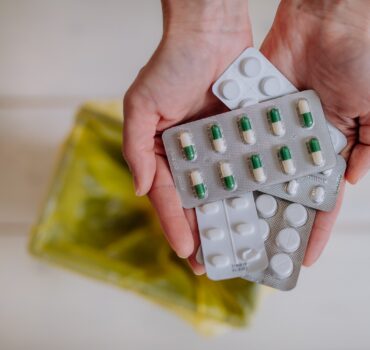
Woman’s hands holding and throwing expired pills blisters to the trash bin.
It’s crucial to replace medications once they reach their expiry date to maintain their effectiveness and safety.
Replace medications as soon as they expire. Using them even slightly beyond the expiry date can pose risks to your health.
Make it a habit to conduct regular checks of your medicine cabinet, ensuring you’re aware of which medications are nearing their expiry date.
If a medication’s appearance, colour, texture, or smell has changed, it’s a sign of degradation, and you should replace it, regardless of the expiry date.
Q: Can I consume a medication right after the expiry date has passed?
Q: What should I do with expired medications?
Q: Can I extend a medication’s expiry date by storing it in specific conditions?
Understanding expiry dates on medications is fundamental to your health and safety. By adhering to these dates and promptly replacing expired medications, you’re taking a proactive step towards responsible and effective medication management.
For more information and tips on medication safety, stay tuned to our blog for updates.